PRRR© Journal · 01
Speed with purpose: why we still go out for a drive
It is not about going faster. It is about choosing a road, listening to the car and enjoying every kilometre again.
Some roads do not need a destination. An early start, checked tyre pressures and a route that makes you look far ahead are enough. The reward is not arriving sooner, but recovering the conversation between steering wheel, road and driver.
Driving with purpose means moving with rhythm, respect and attention. Feel the weight transfer, let the engine work and remember that a good line on an open road always leaves room for the unexpected.
The pleasure of driving is not measured by a stopwatch
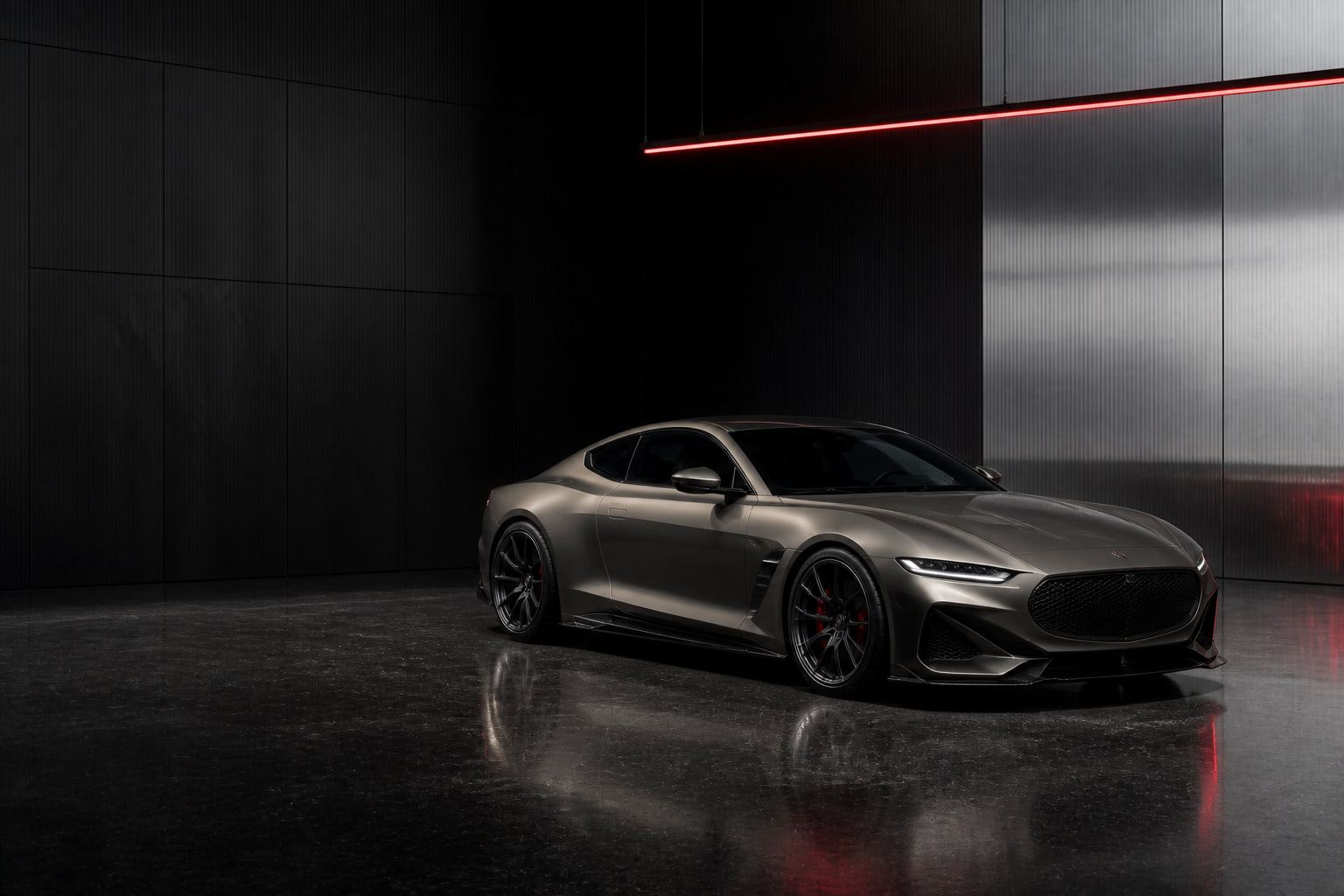
For years, much of the conversation about cars has been organised around figures: power, acceleration, top speed and lap times. Those numbers are useful when describing a machine, but they say little about what actually happens on an open road. A car can be extremely fast yet feel distant; a far more modest one can make every weight transfer and every gear meaningful. Connection comes from the clarity of its responses, not from the size of the number printed on a specification sheet.
Driving for pleasure suggests a different scale. The continuity of the route matters, as does the way the landscape changes and the possibility of maintaining a calm rhythm without forcing the car or taking space from anyone else. Once the need to prove something disappears, attention improves. A new sound becomes noticeable, a corner is anticipated and the suspension becomes easier to understand. Speed stops being the objective and becomes just one variable within a much broader experience.
Read the road before asking anything of the car
Vision sets the rhythm. Looking far ahead reveals surface changes, junctions, cyclists, animals or damp areas before they demand a sudden reaction. That anticipation does not reduce enjoyment; it makes the experience more precise and more relaxed. Driving becomes an act of reading, with every sign, shadow and line in the landscape providing information. The best road is not the one that encourages limits, but the one that allows clean decisions while always leaving a safe alternative.
Preparing the car is part of the route
The drive begins before the key is turned. Checking cold tyre pressures, looking over the tread, adjusting the seat and mirrors, and confirming that no warning needs attention are simple actions. They do not turn an outing into a mechanical inspection, but they create a foundation of confidence. A properly prepared car communicates more clearly because the driver is not compensating for an incorrect pressure, an uncomfortable position or a loose object causing a distraction through every corner.
The person driving also needs preparation. Good sleep, water, a realistic schedule and the willingness to stop when concentration fades are as important as any technical check. Car culture often celebrates endurance, but a good route does not need exhaustion to become memorable. It needs margin. That margin makes it possible to change the plan when traffic appears, the weather deteriorates or a section of road simply stops being enjoyable.
A short ritual, not a ceremony
A few minutes and a repeatable sequence are enough. The value of the ritual is not about looking expert; it is about freeing attention for the journey. Once the basics are settled, the mind can focus on observation, smooth inputs and the place itself. That minimal discipline also makes changes easier to notice: a vibration that was not there before, uneven wear or a control that responds differently. Listening early prevents a small signal from becoming a larger problem.
A driving culture worth sharing
The best road stories should not depend on recklessness. They can be about a particular light at sunrise, a café found by accident, a car revealing its balance or a conversation that only happens after several hours of travel. Telling them this way changes the image of enthusiastic driving. It is no longer confused with operating at the limit, and instead becomes an attentive, curious practice that can coexist with people who use the road differently.
That narrative matters to brands and communities. Showing responsible behaviour does not remove emotion; it gives emotion a credible context. A car is still design, sound, touch and movement, but it also shares space with towns, pedestrians, cyclists and landscapes that are not a private set. Real sophistication means enjoying the machine without demanding that everything else disappear. A good route therefore ends with the desire to return, not with the feeling of having narrowly escaped.
The perfect route leaves room for the unexpected
Planning helps, but an itinerary should not become an obligation. A closed road, a storm or a viewpoint worth stopping at can improve the day when there is enough time to accept them. Driving with purpose means making conscious decisions, adapting the rhythm and remembering why the journey began. The aim is not to conquer distance, but to see the car again as a tool for attention, discovery and connection.
The idea
Perhaps that is why we still go out for a drive. For a while, every sound, every corner and every decision matters again.
- #car culture
- #road trips
- #driving