PRRR© / Journal 02
Luxury before the engine starts
The feeling of a special car begins with the weight of a door, the touch of a control and the way everything falls to hand.
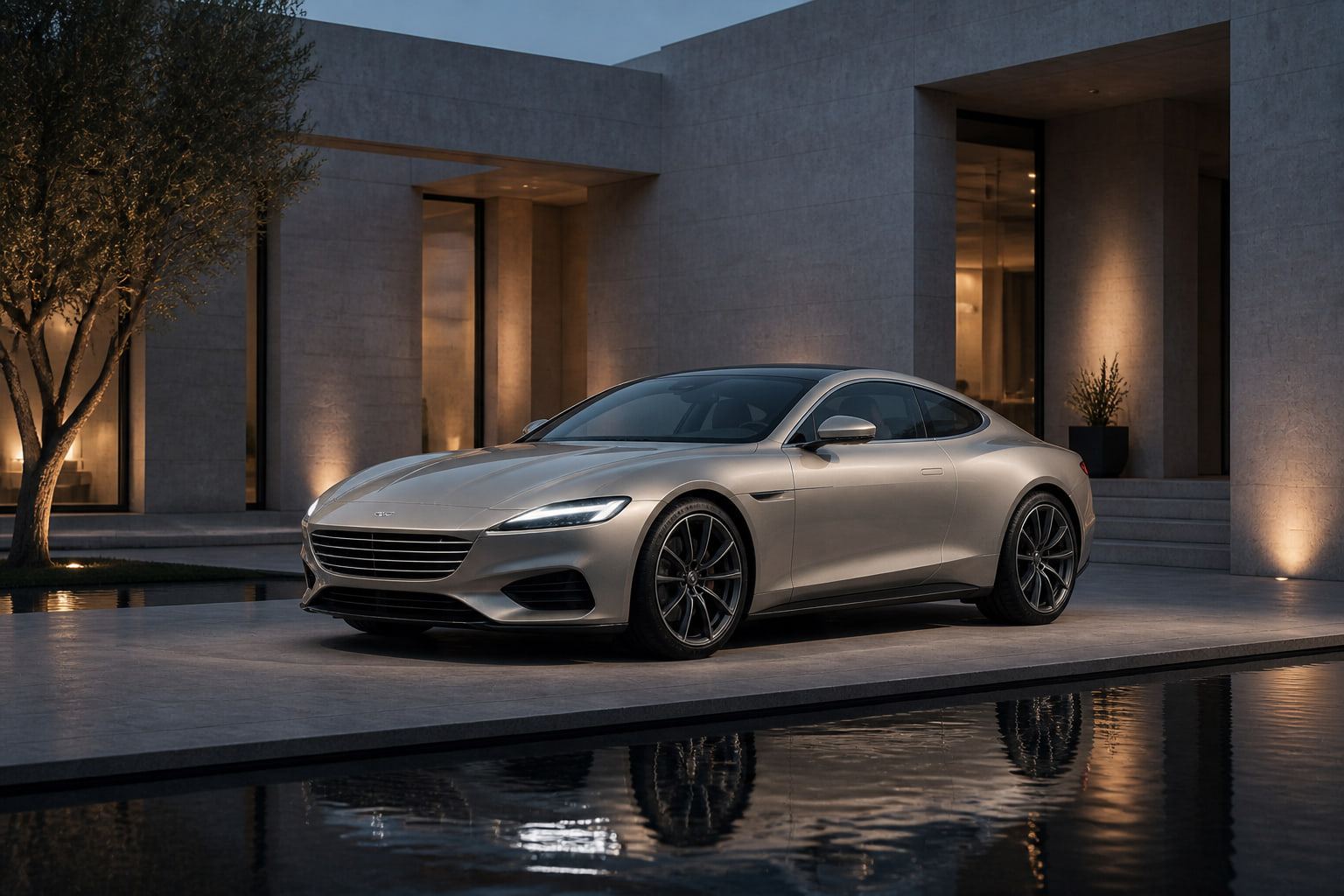
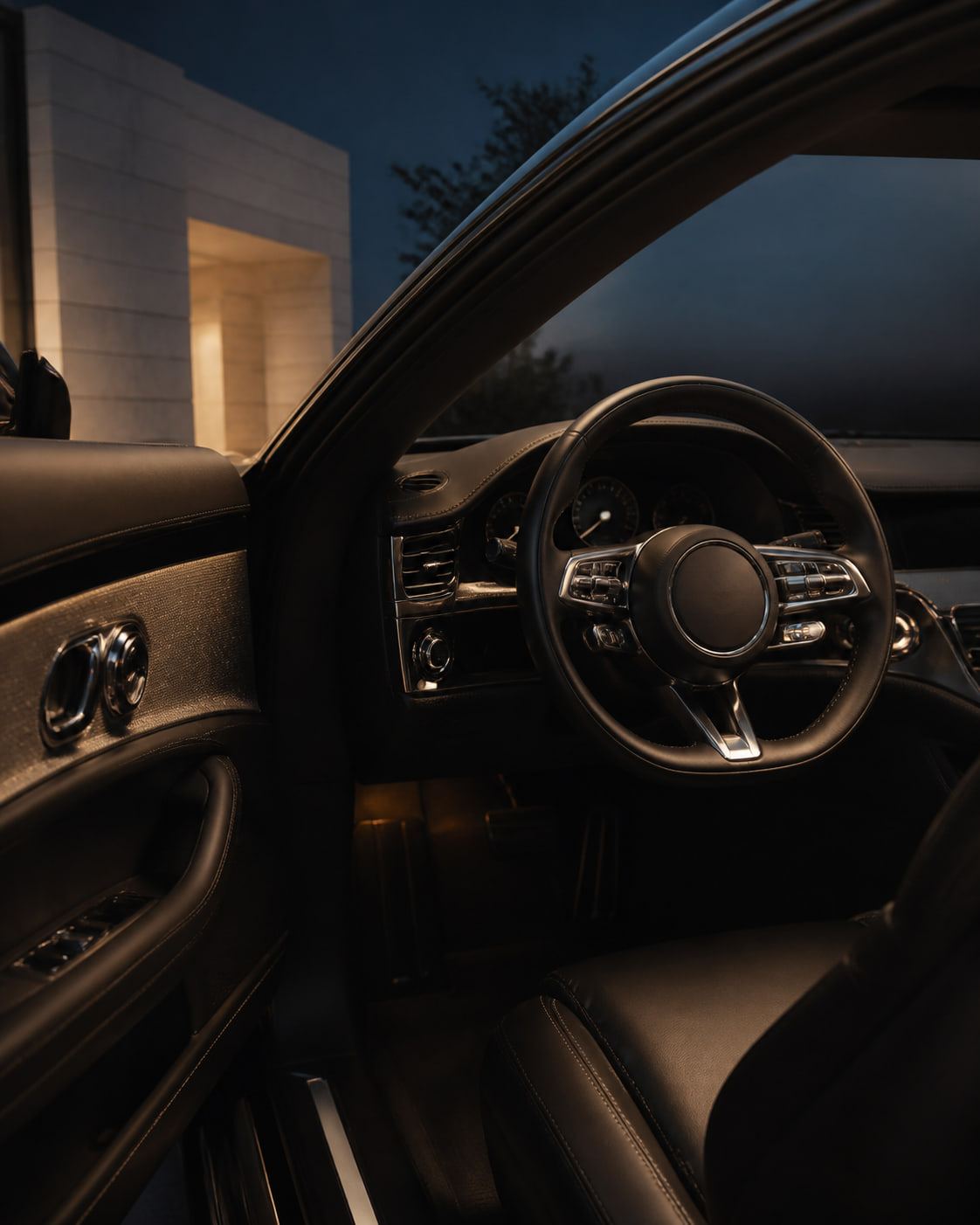
A car can feel special without moving an inch. It happens when a door opens with the right weight, the driving position feels natural and the controls make sense to the hand before the eye.
That kind of luxury does not depend on a larger screen or an endless options list. It comes from coherence: materials that age with dignity, mechanisms with a clear response and a cabin that feels designed around the driver.
Luxury begins with coherence
A first impression of an interior is formed within seconds, but it does not depend on a single expensive material. It comes from the relationship between surfaces, the resistance of controls, the lighting and the sound each element makes when it begins to work. When those choices share a logic, the cabin feels calm. Nothing appears to have been placed merely to win an isolated photograph; every part helps explain the whole and builds a clear expectation of the experience the car will provide.
Coherence also requires restraint. A screen can manage many functions, but it does not always improve an action that must be repeated without looking away from the road. A glossy finish may attract attention under exhibition lights and prove fragile in daily use. Designing luxury means deciding what should stand out and what should disappear. The best cabins do not compete constantly for attention; they organise it, allowing the driver to find what matters without learning the car again every morning.
Quality is recognised by the hands
Touch confirms or contradicts what the eye has been promised. The pressure required to turn a selector, the travel of a button and the shape of a handle all communicate design intent. Not everything needs to feel heavy; every response needs to feel deliberate and consistent. Even a simple control can feel precise when it has no looseness, offers a clear reference and sits where the body expects it. That everyday precision builds confidence long before the engine starts.
Ergonomics: when design stops drawing attention to itself
A good driving position is not defined by the number of available adjustments. It should allow different people to reach the wheel, pedals and primary controls without unnecessary strain. Visibility, lateral support and the readability of the instruments belong to the same problem. When ergonomics are properly resolved, the body stops negotiating with the car and can focus on driving. That absence of friction is an especially valuable form of luxury because it improves every journey, including the shortest one.
Digitalisation has made the challenge greater. Interfaces can personalise information and update functions, but they can also hide frequent tasks behind several layers. The answer is not to reject technology, but to give it hierarchy. Climate control, demisting, volume and essential modes need predictable responses. Everything else can occupy a secondary layer if the system explains where it is and maintains a stable logic. The most convincing innovation does not demand admiration for its complexity; it turns that complexity into a simple experience.
Designing for muscle memory
Over time, a good interior allows actions to happen without searching. The hand remembers the distance to a control and the foot recognises the beginning of the brake pedal. That muscle memory reduces mental load and creates intimacy with the vehicle. Moving a function or changing its behaviour through an update can break it, so digital design needs the same discipline as physical design. Continuity is not resistance to change; it respects learning that the user has absorbed into the body.
Materials designed to live, not merely to look new
The real test of a material begins after delivery. It receives sunlight, changes in temperature, damp hands, clothing, dust and thousands of small contacts. A surface that only works when it is immaculate turns use into anxiety. Leather that develops an honest patina, metal that retains its touch or a repairable textile can instead gain character. Lasting luxury accepts that an object will have a life and designs that evolution rather than pretending time does not exist.
This perspective also changes the meaning of sustainability. Announcing an alternative material is not enough; its origin, maintenance, repairability and behaviour over years must be considered. A component that is easy to replace may be preferable to a spectacular one that requires an entire assembly to be renewed. Quality is demonstrated when design makes the car easier to preserve and the brand provides information to support that care. Thoughtful maintenance, repair and updating can be as premium as any personalisation option.
The memorable detail is the one that stays useful
A good detail does not interrupt the experience to demand recognition. It may be a light that welcomes the driver without glare, a compartment that prevents rattles or a seam placed away from a contact area. These discreet solutions reveal attention to real use. Over time, that care matters more than any launch effect. A special car is not only the one that surprises during the first minute; it is the one that continues to handle ordinary minutes beautifully many years later.
Before the engine makes a sound, there is already a promise. The cars we remember tend to be the ones that keep it in every detail.